In today's digital-first world, organizations rely heavily on SaaS tools to drive efficiency, collaboration, and innovation. From project management software to communication tools, the SaaS ecosystem is growing at an unprecedented rate, providing unparalleled flexibility and convenience. However, with great power comes great responsibility. Managing a sprawling SaaS stack can quickly spiral out of control if left unchecked.
Businesses often face challenges like ballooning costs, security risks from unmonitored applications, and inefficiencies caused by overlapping or underutilized tools. To combat these issues, many organizations are turning to SaaS management platforms (SMPs) to streamline operations, gain deeper insights, and maximize ROI. But how do you choose the right platform for your business needs? Let's dive in to find out.
A SaaS management platform helps businesses track, optimize, and secure their entire SaaS ecosystem from a single dashboard. It provides visibility into app usage, automates user management, and reduces unnecessary spending. With real-time insights and integrations, it ensures efficiency, compliance, and cost savings.
Managing SaaS applications without a dedicated platform can feel like juggling without knowing how many balls are in the air. With organizations relying on dozens, sometimes hundreds, of SaaS tools, the complexity of managing these applications increases exponentially. Here's why your organization needs a SaaS management platform:
The rise of shadow IT—where employees or departments purchase SaaS tools without IT's knowledge—is a significant concern for organizations. This unchecked growth not only results in redundant tools, but also introduces potential security vulnerabilities. An SMP acts as a centralized solution to bring all SaaS applications under one umbrella, ensuring better oversight and accountability while eliminating unnecessary duplication of tools.
When organizations don't have complete visibility into their SaaS ecosystem, unused or underutilized subscriptions often go unnoticed. This results in wasted resources and inflated budgets. An SMP helps identify redundant tools, unused licenses, and overlapping functionalities, enabling businesses to cut unnecessary expenses and reallocate funds where they matter most.
Managing access across multiple applications becomes a complex task when performed manually. Without proper visibility, unauthorized tools might be introduced into the system, or employees might retain access to sensitive systems even after leaving the organization. An SMP simplifies user access management, ensures compliance with data security regulations, and provides a clear view of who has access to what, reducing the risk of security breaches.
Onboarding and offboarding employees manually across multiple SaaS tools can be time-consuming and error-prone. SaaS management platforms automate these processes, ensuring employees have access to the tools they need as soon as they join and revoking access when they leave. This not only streamlines operations but also frees up the IT team to focus on more strategic initiatives.
Selecting the right SaaS management tool is crucial to optimizing your SaaS ecosystem. When evaluating potential platforms, ensure they include the following essential features:
A robust SaaS management tool should automatically track all SaaS applications being used across your organization, even those purchased outside official IT channels. This feature helps you identify shadow IT, giving you complete visibility into your software ecosystem and ensuring nothing slips under the radar.
A centralized dashboard provides a single-pane view of all your SaaS applications, making it easy to monitor costs, usage, and overall performance. Look for a platform with a user-friendly interface that enables quick navigation and provides real-time updates for seamless management.
Managing licenses is critical to avoiding overspending or falling short on availability. The right tool will help you monitor active licenses, track renewal dates, and identify overlapping subscriptions, ensuring you never pay for what you don't use or need.
Insights into app usage can reveal which tools are underutilized or redundant. The right SaaS management tool will provide actionable data to help you cut unnecessary costs, negotiate better contracts, and allocate your resources more effectively.
Security is non-negotiable. A good SaaS management platform ensures robust access controls, enabling you to manage permissions across applications with precision. It also helps you maintain compliance with regulatory requirements, reducing the risk of fines or legal complications.
Efficient user life cycle management is a must. Automation of onboarding and offboarding processes ensures employees receive access to the right tools when they join and lose access to critical systems when they leave. This saves time and reduces the risk of unauthorized access as well.
Integration is key to the success of any SaaS management tool. Ensure the platform you choose is compatible with popular SaaS tools like Okta, Box, Slack, ServiceNow, and more. This ensures smooth interoperability and a seamless experience across your SaaS stack.
Data-driven decision-making is only possible with accurate, real-time insights. A good platform provides detailed reports on application usage, user activity, cost trends, and more. These insights allow you to make informed decisions and optimize your SaaS ecosystem continuously.
The right tool should simplify repetitive tasks through automation. Features like automated subscription renewal reminders, access revocation, and compliance tracking free up your IT team to focus on strategic priorities while improving operational efficiency.
Choosing the perfect SaaS management platform requires a detailed evaluation process. Here's how you can assess potential tools to ensure they align with your organization's needs:
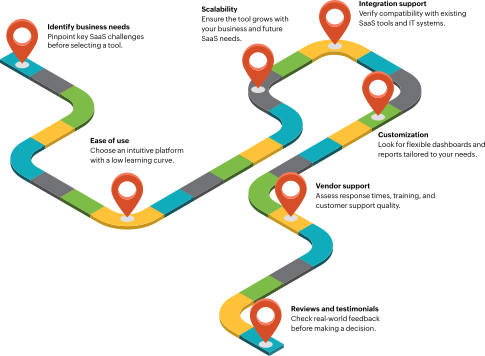
Before evaluating platforms, take a step back and identify the specific challenges your organization is facing. Is it uncontrolled spending, lack of visibility, security risks, or operational inefficiencies? Understanding these pain points will help you prioritize features and select a tool that directly addresses your needs.
A SaaS management platform is meant to simplify processes, not add complexity. Choose a tool with an intuitive interface and a minimal learning curve. If your team struggles to navigate the platform, the adoption rate will drop, and the tool will lose its value.
Your SaaS stack will likely grow as your organization expands. Ensure the platform you choose can handle the increased volume of applications, licenses, and users. A scalable platform will grow with your business, saving you the hassle of switching tools down the line.
Integration is critical for seamless operations. Check if the platform supports integrations with your existing SaaS tools and IT systems. A tool with robust integration capabilities will enable you to manage your entire ecosystem without interruptions or manual interventions.
Every organization has unique workflows and processes. Look for a platform that can be tailored to fit your needs. Whether it's custom dashboards, personalized reports, or flexible workflows, customization ensures the tool aligns perfectly with your operations.
The quality of vendor support can make or break your experience with a SaaS management platform. Evaluate the vendor’s commitment to customer success by assessing their support channels, response times, training programs, and resources. Strong vendor support ensures you get the most value from your investment.
Learn from the experiences of others. Go through reviews and testimonials from businesses that have used the platform. Search for case studies or success stories that showcase how the tool has delivered tangible results. Real-world feedback can give you valuable insights into the platform's reliability and performance.
Selecting a SaaS management tool is a significant decision, and making the wrong choice can lead to wasted resources and missed opportunities. Here are some common mistakes to avoid during the selection process:
It's easy to get drawn in by platforms offering a plethora of features, but not all of them may be relevant to your organization. Paying for functionalities that your business doesn't need will inflate costs without adding value. Always choose a platform with features tailored to address your specific requirements.
Failing to prioritize security and compliance can leave your organization vulnerable to data breaches and regulatory penalties. Ensure the platform you select provides robust access controls, activity tracking, and compliance monitoring to safeguard sensitive data and meet legal requirements.
While cost is an important factor, choosing the cheapest solution without considering its capabilities can lead to inefficiencies and unmet needs. A low-cost platform might lack essential features, integration options, or adequate vendor support. Focus on the value the tool provides rather than just its price tag.
A SaaS management tool that doesn't integrate seamlessly with your existing applications can create more problems than it solves. Compatibility issues can lead to data silos, manual workarounds, and operational inefficiencies. Always verify that the tool you choose works well with your current SaaS ecosystem.
Investing in the right SaaS management platform can deliver several measurable benefits that positively impact your organization. Here are some key advantages:
A good SaaS management platform provides complete oversight of all your SaaS applications, subscriptions, and usage data. With a single view of your entire software stack, you can easily identify shadow IT, monitor application performance, and make informed decisions to optimize your SaaS environment.
By identifying redundant tools, unused licenses, and overlapping functionalities, the right platform helps cut unnecessary expenses. Optimized license management and detailed cost analysis prevent overspending and ensure you maximize the return on your SaaS investments.
With robust access controls, you can ensure that only authorized personnel have access to critical applications. The platform simplifies compliance with data security regulations, minimizes risks associated with shadow IT, and provides detailed audit trails to track user activity.
Automation of repetitive tasks, such as onboarding, offboarding, and subscription renewals, saves your IT team valuable time. This enables them to focus on strategic projects rather than being bogged down by manual processes.
A centralized dashboard simplifies SaaS management by bringing all applications, costs, and user activities under one roof. This unified approach reduces operational complexity and ensures efficient management of your software ecosystem.
ManageEngine SaaS Manager Plus is designed to help organizations overcome the challenges of managing SaaS applications effectively. Here are five reasons why SaaS Manager Plus stands out as the ultimate SaaS management platform:
SaaS Manager Plus provides advanced application discovery capabilities, automatically detecting all the SaaS tools being used within your organization. This feature detects shadow IT by providing a complete overview of your software stack, ensuring every application is accounted for. With comprehensive discovery, you can identify unauthorized tools and regain control over your SaaS environment.
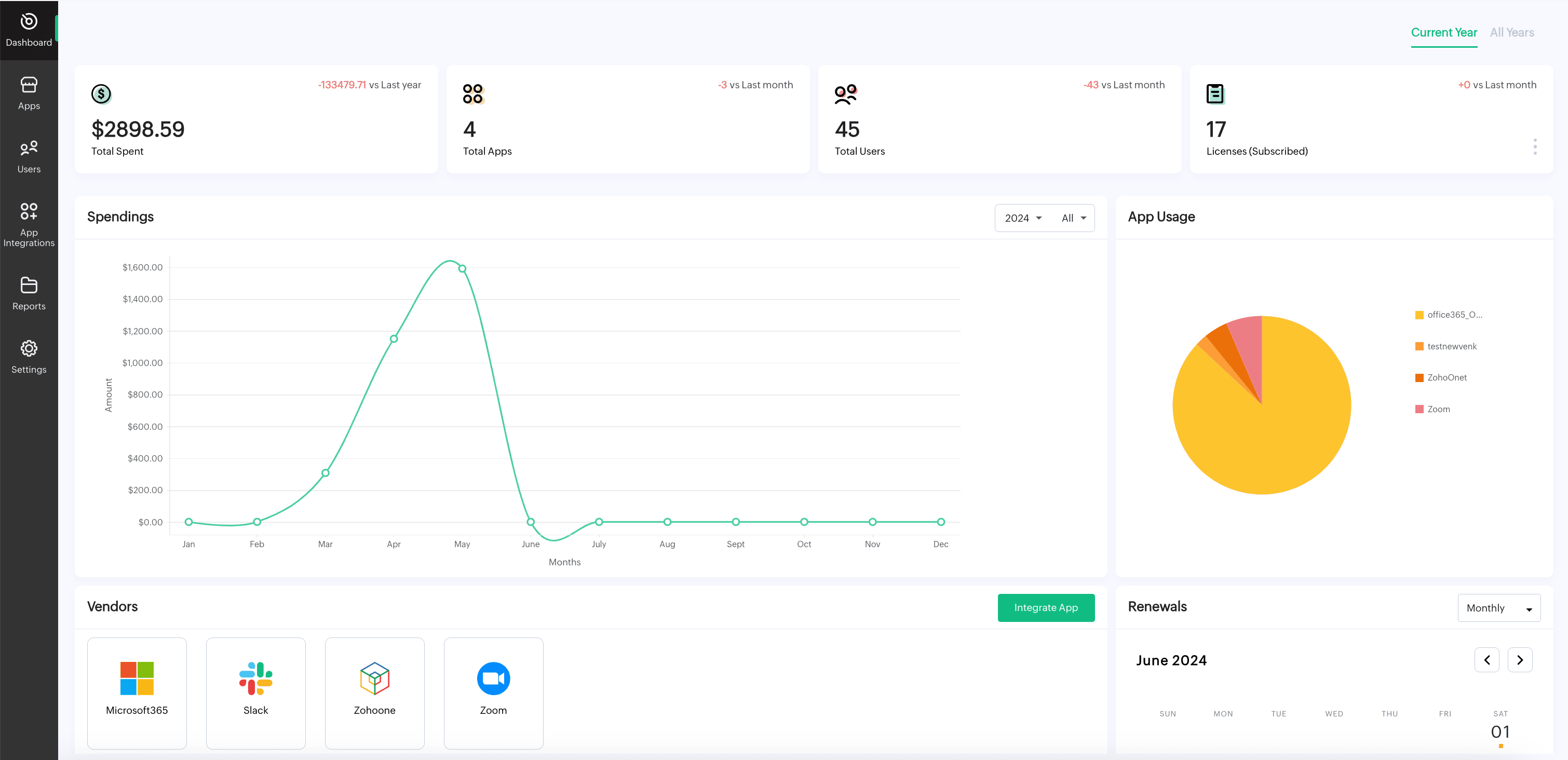
With SaaS Manager Plus, managing your SaaS ecosystem becomes effortless. The platform's centralized dashboard consolidates all your applications, costs, and user activities into a single, easy-to-navigate interface. The intuitive design ensures that even non-technical users can access critical information and make data-driven decisions with ease. Real-time updates provide accurate insights to keep your operations running smoothly.
One of the standout features of SaaS Manager Plus is its focus on cost optimization. The platform provides detailed analytics to track application usage and identify underutilized or redundant tools. Based on this data, SaaS Manager Plus recommends actionable measures to reduce expenses, optimize license allocations, and improve ROI. By streamlining your SaaS investments, the platform ensures you only pay for what you truly need.
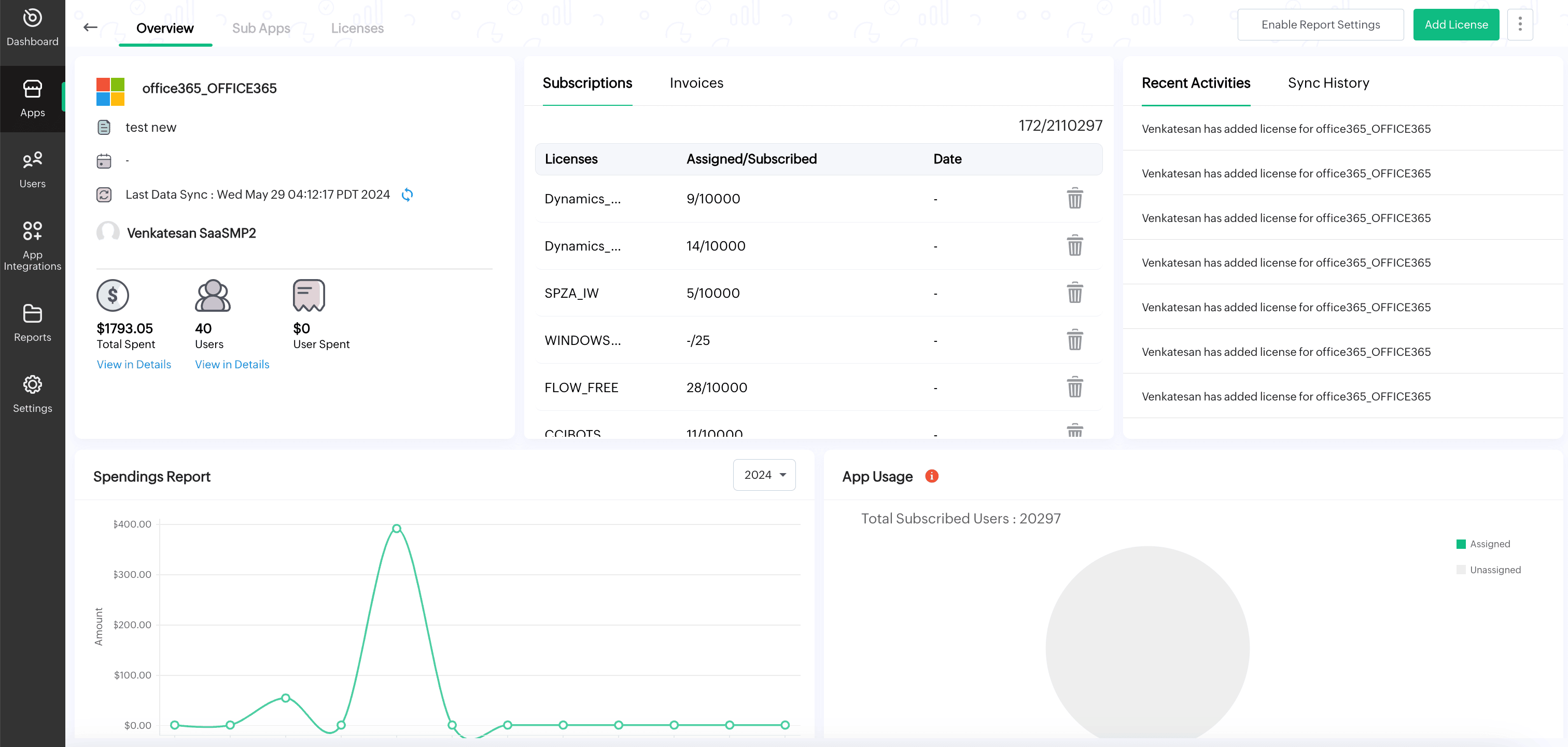
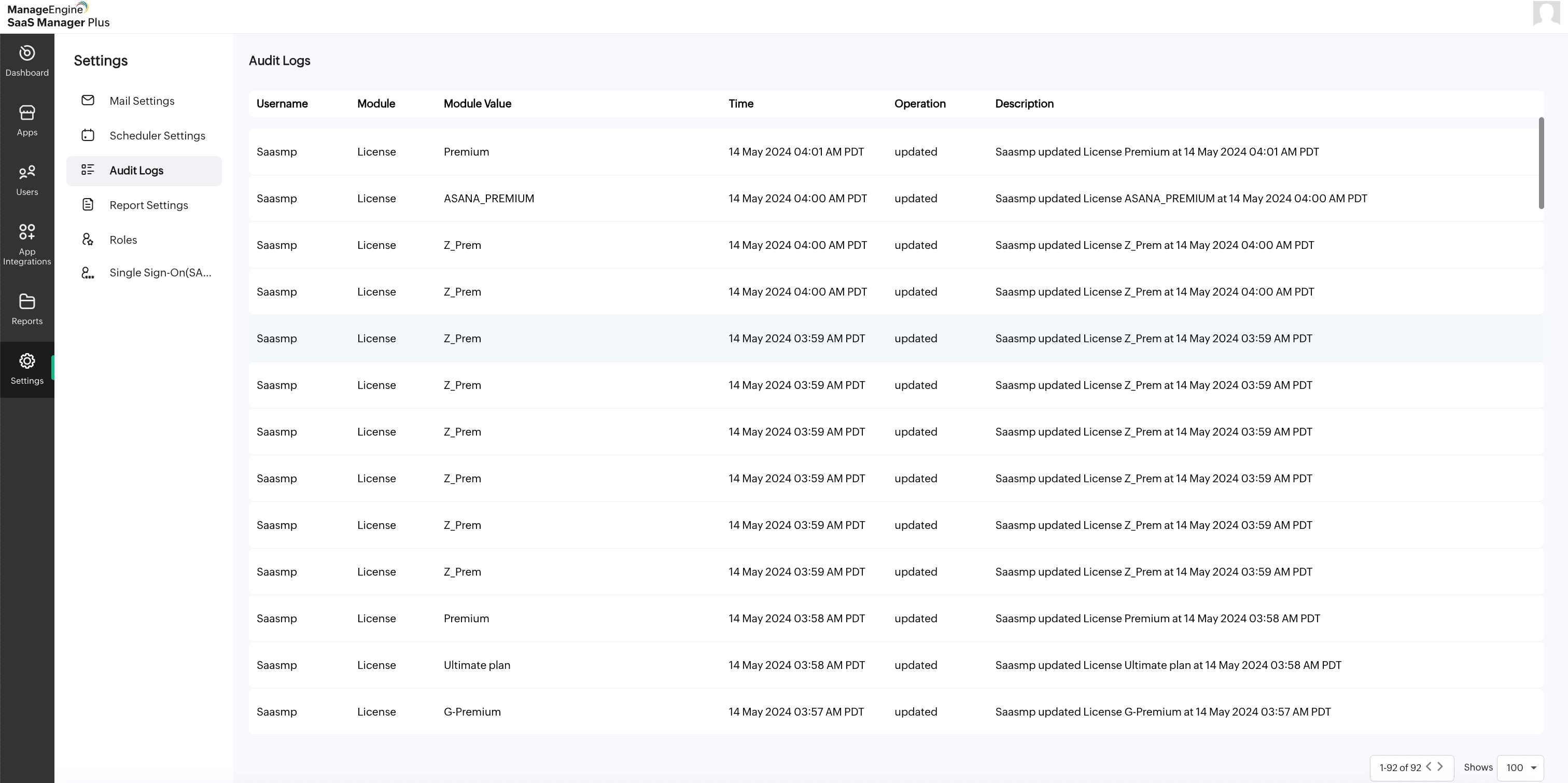
Security is a top priority for SaaS Manager Plus. The platform provides granular access controls, enabling you to define and manage permissions at a detailed level. This ensures that only authorized personnel can access sensitive applications. Detailed audit logs and user activity reports further enhance transparency and accountability.
SaaS Manager Plus is built to work seamlessly with your existing SaaS ecosystem. The platform integrates effortlessly with leading applications such as Okta, Box, Slack, ServiceNow, and more. This ensures that you can manage all your tools from a single platform without disrupting your workflows. With its extensive integration capabilities, SaaS Manager Plus supports a smooth and cohesive SaaS management experience.
As businesses continue to adopt SaaS tools, managing them effectively is no longer optional—it's essential. A robust SaaS management platform can help you streamline operations, optimize costs, and enhance security.
Take the time to evaluate your needs, explore the features of different platforms, and avoid common mistakes to find the best solution for your organization. If you’re ready to take control of your SaaS stack, start with ManageEngine SaaS Manager Plus and experience the difference. Maximize your SaaS investments today!
